Ceramic vs Granite Cookware: Which Is Healthier & Better for Daily Cooking?
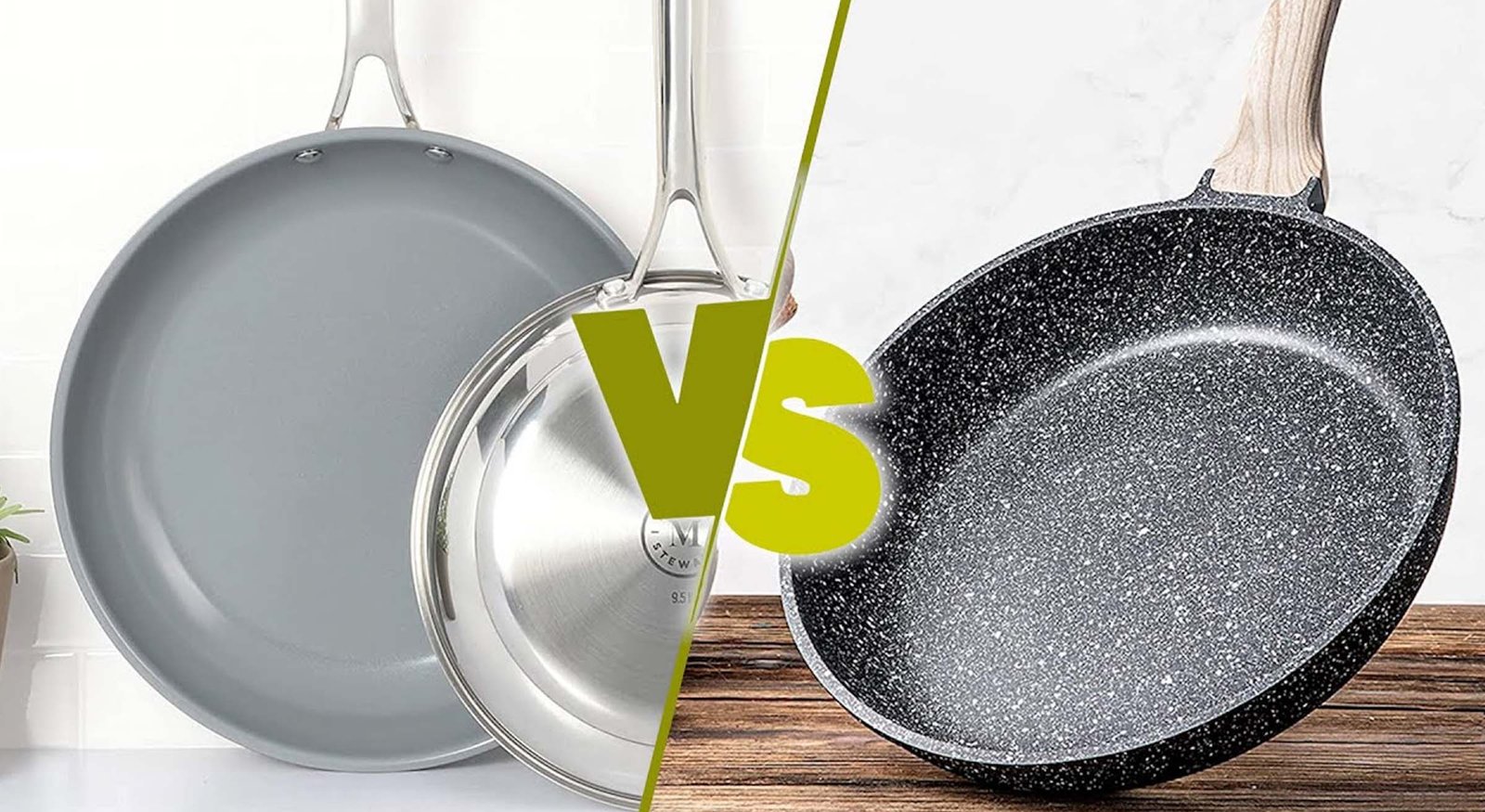
When it comes to healthy, everyday cooking, the debate between ceramic vs granite cookware often boils down to one big question, which is safer, more durable, and better for daily use? In the UAE, home chefs are increasingly choosing non-toxic, easy-to-clean cookware that supports both health and performance. Ceramic and granite pans are two of the most popular modern options, each offering its own balance of safety, aesthetics, and cooking performance. Let’s explore their differences, advantages, and which one deserves a spot in your kitchen.
Understanding Ceramic Cookware
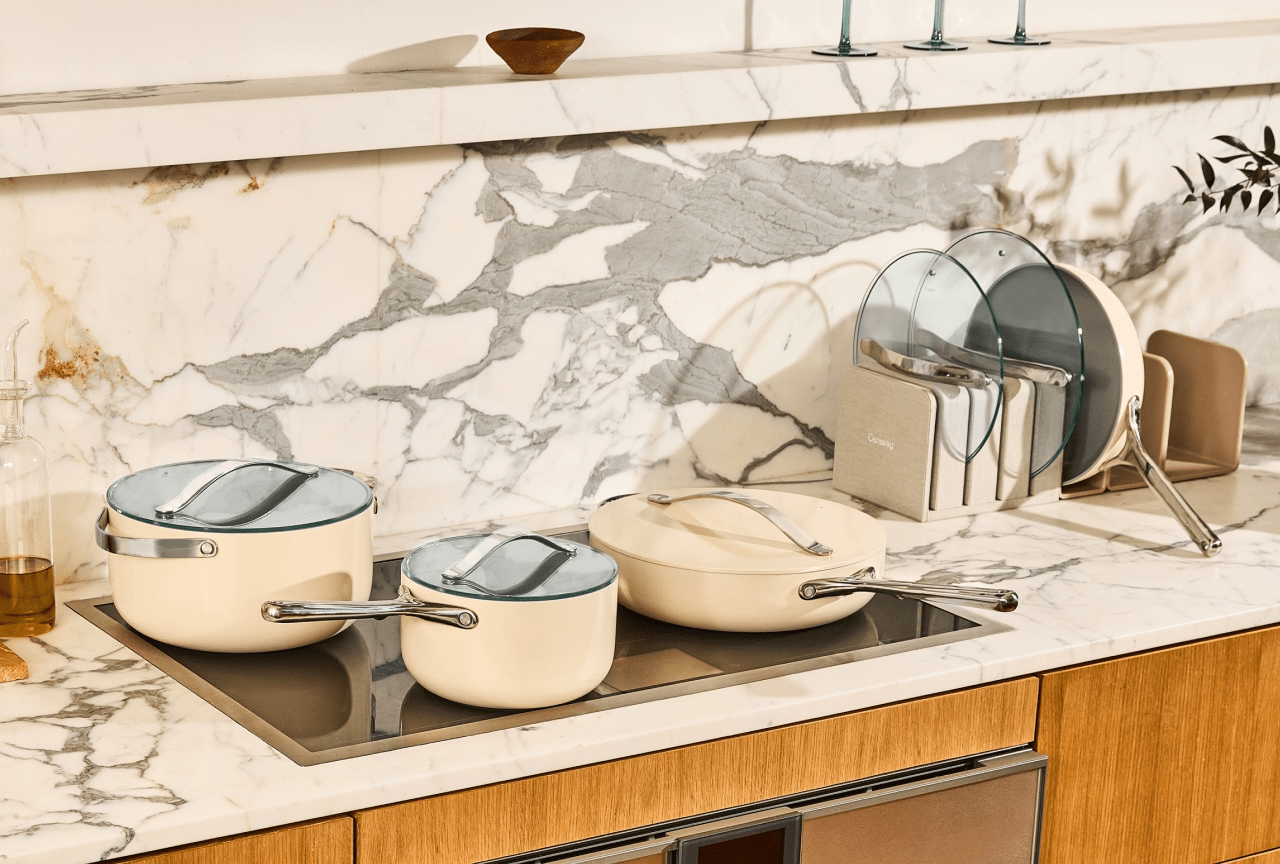
When you’re shopping for cookware, you’ll likely come across ceramic options that boast a non-stick surface and sleek design. You’ll want to know that ceramic cookware has a rich history, dating back to ancient times. Ceramic history shows that it’s been used for cooking for thousands of years. As you explore ceramic cookware, you’ll find it’s ideal for various cooking techniques, from sautéing to baking. You can use it at high or low heat, making it versatile for different recipes. Ceramic cookware is also easy to clean and maintain, which is a plus. By understanding ceramic cookware, you’ll be better equipped to decide if it’s the right choice for your daily cooking needs. You’ll consider factors like durability and performance, helping you make an informed decision about your cookware.
The Benefits of Granite Cookware
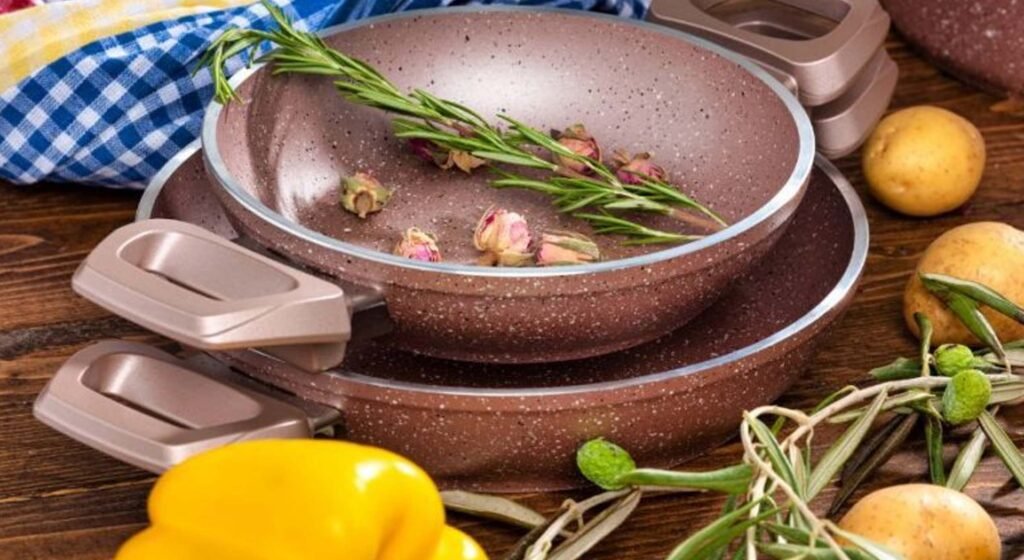
You’ve considered ceramic cookware, now it’s time to look at another popular option:granite cookware. Granite advantages include durability and heat resistance, making it a great choice for daily cooking. When comparing cookware, you’ll find that granite has a non-stick surface that’s easy to clean and maintain. In a cookware comparison, granite stands out for its ability to distribute heat evenly, allowing for consistent cooking results. As you weigh your options, consider the benefits of granite in your cookware comparison to make an informed decision. Granite cookware is a viable alternative to ceramic, offering unique benefits that may suit your cooking needs.
Ceramic vs Granite: Key Comparison
| Feature | Ceramic Cookware | Granite Cookware |
| Health & Safety | Completely non-toxic, PFOA & PFAS-free | Safe when high-quality; check coating composition |
| Heat Distribution | Excellent — even heating, great for precise cooking | Moderate, can develop hot spots if base is thin |
| Durability | May need gentle handling to prevent surface wear | More scratch-resistant but coating can degrade over time |
| Weight | Lightweight and easy to handle | Slightly heavier due to multiple coating layers |
| Aesthetic Appeal | Smooth, glossy finish with vibrant colors | Stone-like, elegant, modern finish |
| Maintenance | Easy to clean, non-stick | Low-maintenance but avoid harsh scrubbing |
| Best For | Health-conscious cooks, light sautéing, daily meals | Family kitchens, frequent frying, and robust cooking tasks |
Performance & Heat Distribution
If heat control is your priority, ceramic cookware tends to have better heat distribution. Its coating allows for even cooking, reducing the risk of burnt spots. Granite cookware heats up quickly but may not retain heat as consistently, especially if it has a thinner base.
When comparing durability, granite edges out slightly in resistance to scratches and stains, but ceramic wins in safety and smoothness.
Nonstick Coating Types and Safety
Both ceramic and granite cookware use non-stick coatings, but the materials matter. Ceramic coatings are mineral-based, naturally PFAS and PFOA-free, while granite coatings depend on the manufacturer.
To ensure cookware safety:
- Always look for “PFAS-free” and “PFOA-free” labels.
- Avoid overheating non-stick cookware.
- Hand wash instead of using abrasive scrubbers.
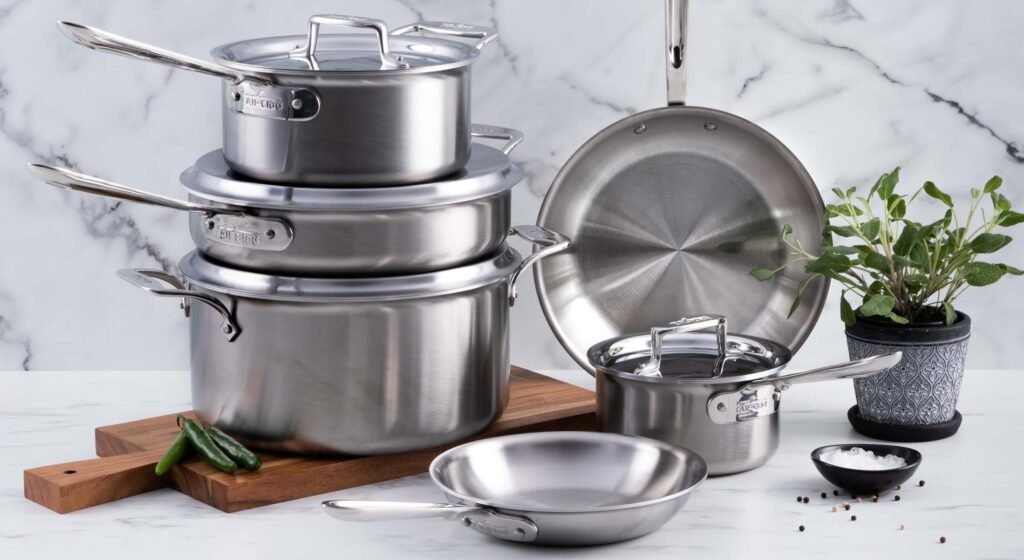
For cooks who use multiple styles, combining both types along with stainless steel cookware for searing and boiling, can create a balanced, high-performing kitchen set.
Which Is Better for Daily Cooking in the UAE?
If you cook light meals daily and prioritize health and toxin-free cooking, ceramic cookware is the better choice. It offers safer surfaces, effortless cleaning, and reliable heat control. If you cook heavier dishes or frequently fry foods, granite cookware provides greater durability and resistance to wear. For most UAE households, a combination of both gives the perfect balance, ceramic for gentle everyday meals, granite for high-heat and robust dishes.
You’ll choose the best cookware by weighing ceramic and granite’s pros and cons. Ceramic’s non-toxic, chemical-free nature makes it a slightly healthier option. Consider your cooking style and needs. Both distribute heat evenly, but ceramic resists thermal shock better. Make an informed decision that suits your kitchen and daily cooking habits.
At Desear, we believe in cookware that complements your kitchen and your lifestyle. Whether you choose the smooth finish of ceramic or the resilience of granite, cooking with confidence and safety is what truly matters.
Frequently Asked Questions
1- Is Ceramic Cookware Safe for Oven Use?
You check oven safety and thermal resistance, and yes, you’ll find ceramic cookware is generally safe for oven use, but you must follow manufacturer’s guidelines to avoid damage.
2- Can Granite Cookware Be Used at High Heat?
You can use granite cookware at high heat, but it’s essential to consider its heat tolerance and risk of thermal shock, which can cause it to crack suddenly.
3- Are Ceramic and Granite Cookware Dishwasher-Safe?
You’ll find most ceramic and granite cookware is dishwasher safe, but you’re better off hand washing or using gentle cycles to maintain their quality and longevity.
4- Which One Lasts Longer: Ceramic or Granite?
Granite cookware typically lasts longer because of its harder coating. However, ceramic can last for years with gentle care and proper heat usage.
5- What’s The Best Option For Daily Cooking In Hot UAE Climates?
Ceramic cookware is ideal for light, everyday cooking, while granite is better suited for frequent, high-heat dishes like stir-fries.