Best Non-Toxic Cookware Options in 2025 (UAE Buyer’s Guide)
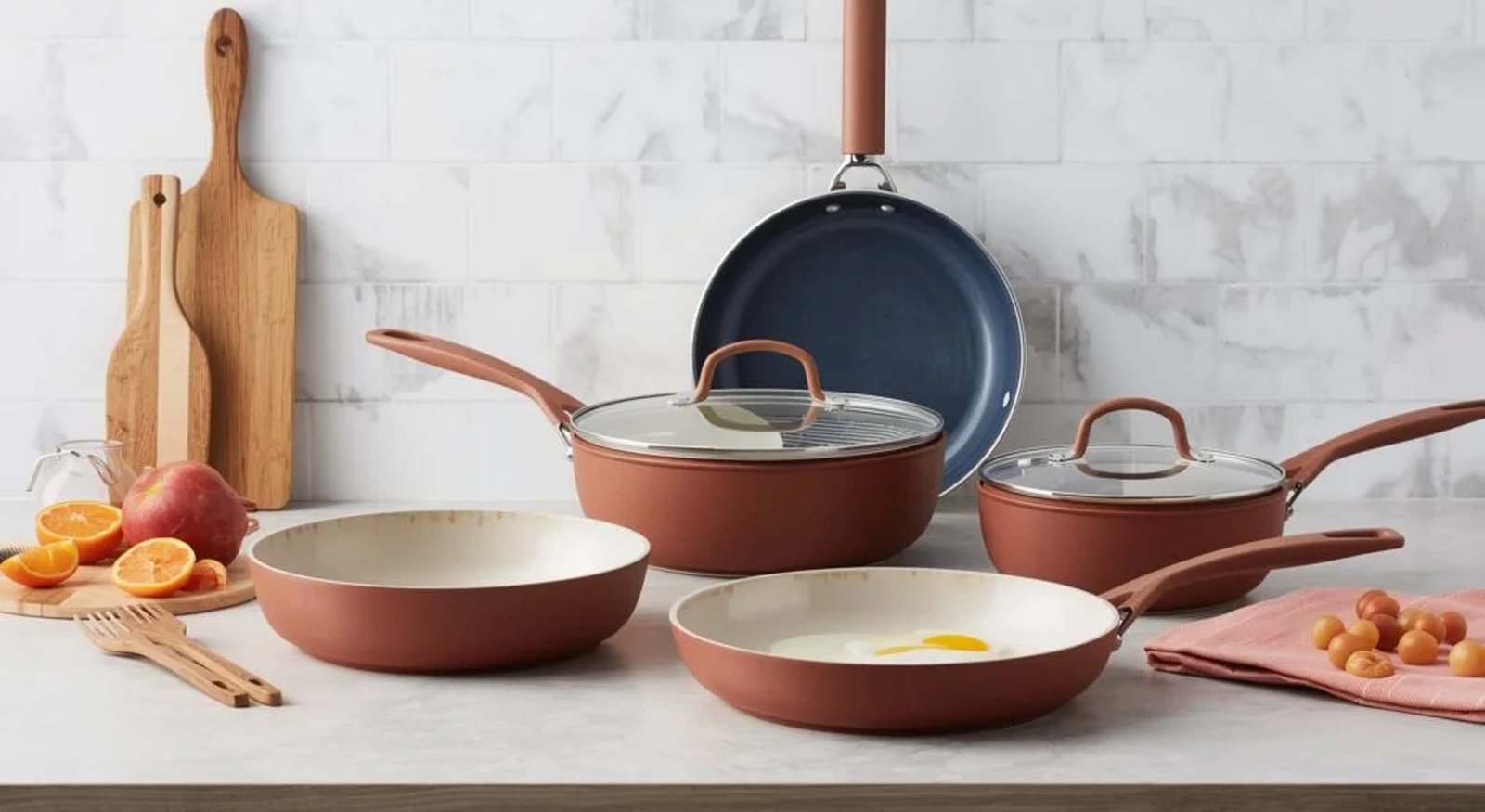
Cooking healthy starts with what you cook. In 2025 more home chefs in the UAE are choosing cookware that’s free from harmful chemicals, built to last, and kind to the planet. This guide explains the safest cookware materials, what “PFAS-free / PFOA-free” really means, how to shop for toxin-free cookware in the UAE, and practical care tips so your pots and pans stay healthy for years. Let’s explore the top choices for UAE buyers, and you’ll discover the perfect fit for your kitchen.
Understanding Non-Toxic Cookware
Because you’re looking for a healthier alternative to traditional cookware, understanding non-toxic cookware is a crucial step. You’ll want to know about cookware history to make informed decisions. Non-toxic cookware has evolved over time, with manufacturers responding to concerns about kitchen safety. As you explore options, consider what materials are used and how they impact your health. Kitchen safety is a top priority, and non-toxic cookware can help minimize risks. By learning about the different types of non-toxic cookware, you’ll be better equipped to choose the best option for your needs. You can then create a safer cooking environment, which is essential for you and your family’s well-being. Understanding non-toxic cookware will help you navigate the market and find the perfect fit for your kitchen.
What “PFAS-free” and “PFOA-free” mean
- PFOA (perfluorooctanoic acid) was historically used in the manufacture of some non-stick coatings. Most reputable manufacturers stopped using it years ago.
- PFAS is a broader family of chemicals (sometimes called “forever chemicals”). PFAS-free cookware means the product is made without these persistent compounds.
When shopping, look for clear labeling: PFOA-free and PFAS-free cookware are the terms to trust for chemical-free cooking.
Pros & Cons of Safe Cookware Materials
| Cookware Material | Why It’s Great | Pros | Cons | Buy Tip (UAE) |
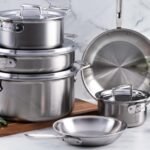
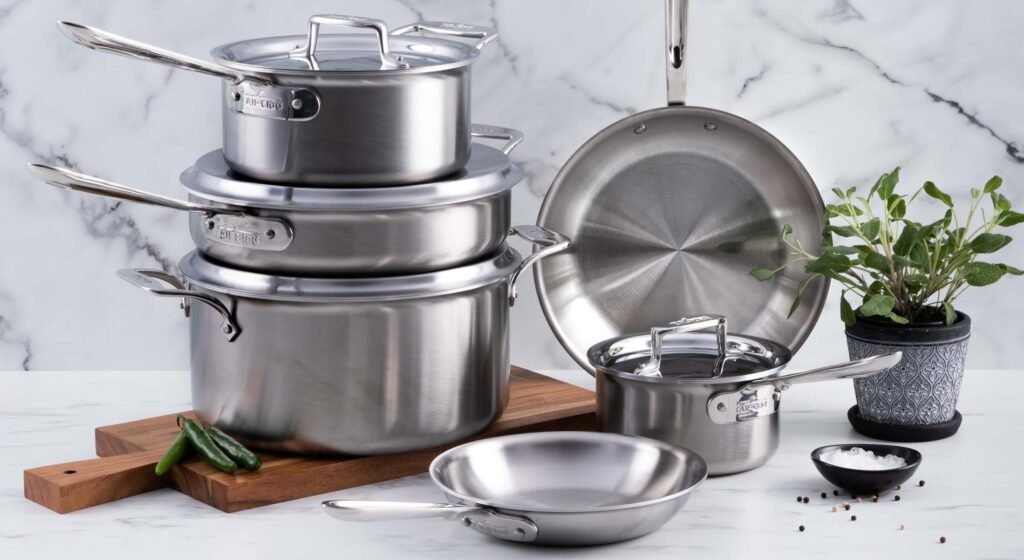
| Stainless Steel | Durable, non-reactive, and usually PFAS-free. Ideal for searing, deglazing, and all-round cooking. | Long-lasting, oven-safe, and has no chemical coatings to wear off. | Food can stick if not preheated or if too little oil is used. | Choose tri-ply or multi-ply bases (aluminum or copper core) for even heat on gas and induction cooktops. |
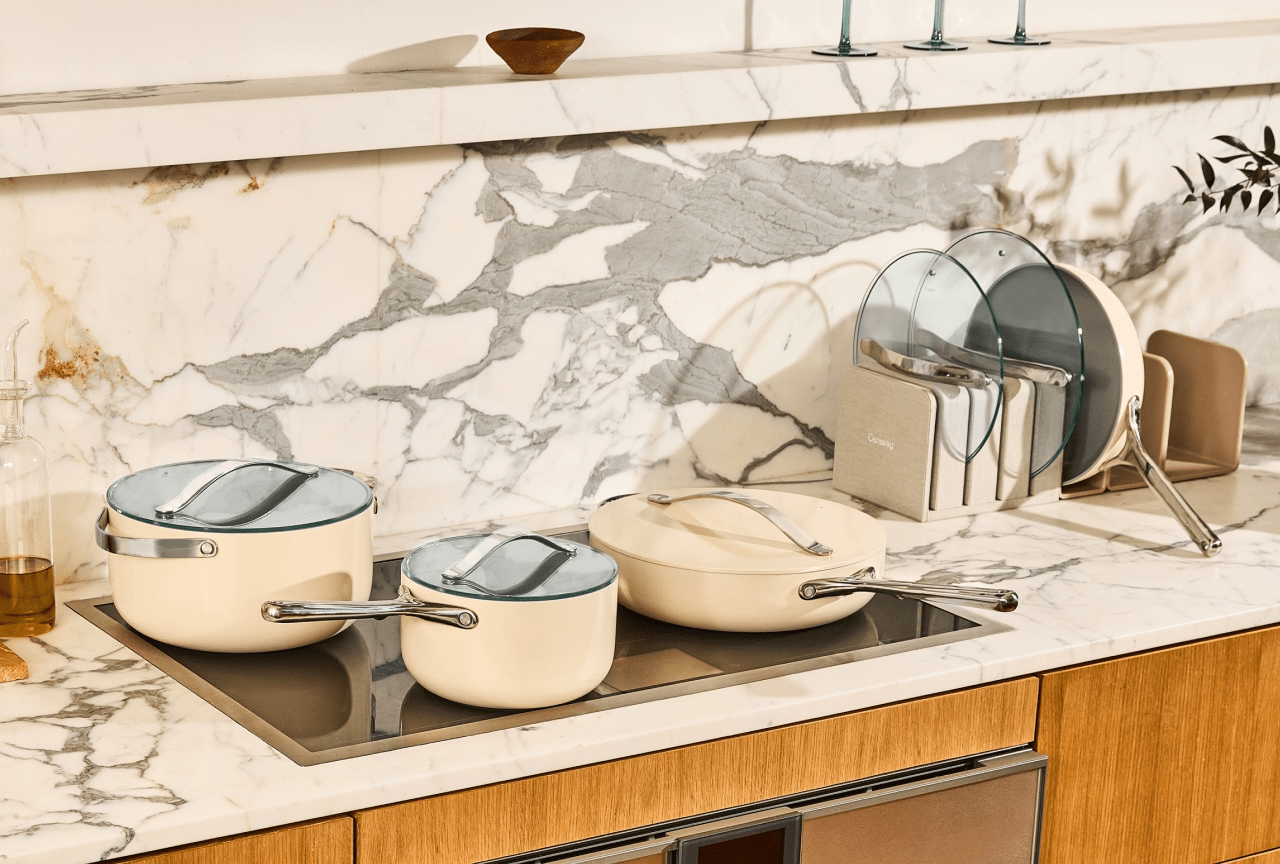
| Ceramic | Made from inorganic minerals and typically PFOA/PFAS-free. Provides a natural non-stick surface. | Great for low-oil cooking, easy cleanup, and has a modern aesthetic. | Coatings may wear faster than traditional non-stick — handle gently. | Check durability tests and warranties; opt for reinforced ceramic coatings. |
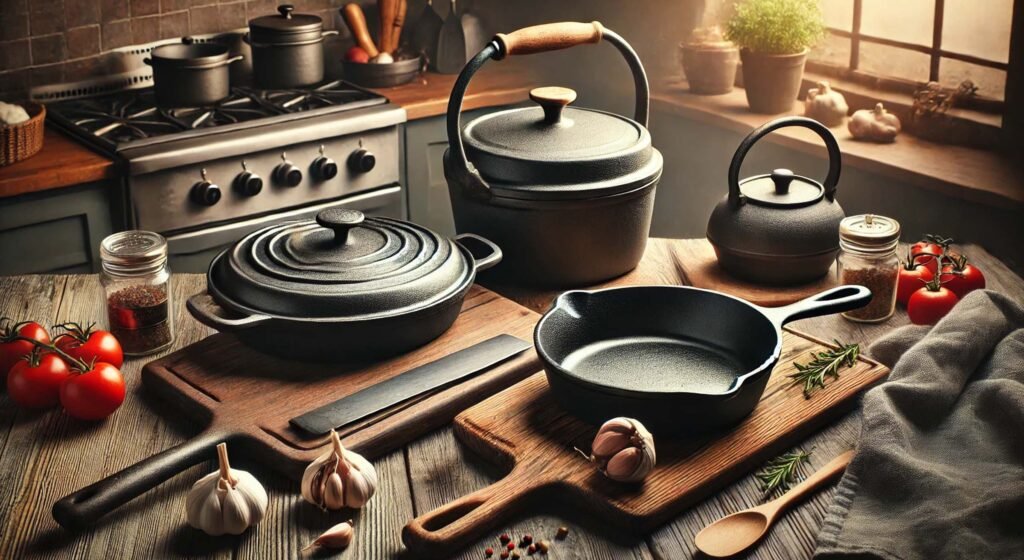
| Cast Iron | 100% natural and chemical-free with excellent heat retention. Becomes naturally non-stick when seasoned. | Extremely durable, perfect for frying, searing, and oven cooking. | Heavy; needs regular seasoning and care to avoid rust. | Go for pre-seasoned cast iron for convenience or raw cast iron for traditional seasoning. |
| Hard-Anodized Aluminum | Anodizing makes aluminum non-reactive and durable, often paired with PFOA-free coatings. | Lightweight, excellent heat conduction, and long-lasting. | Verify that the top coating is PFAS-free; cost varies by brand. | Look for PFAS/PFOA-free labels and strong brand warranties. |
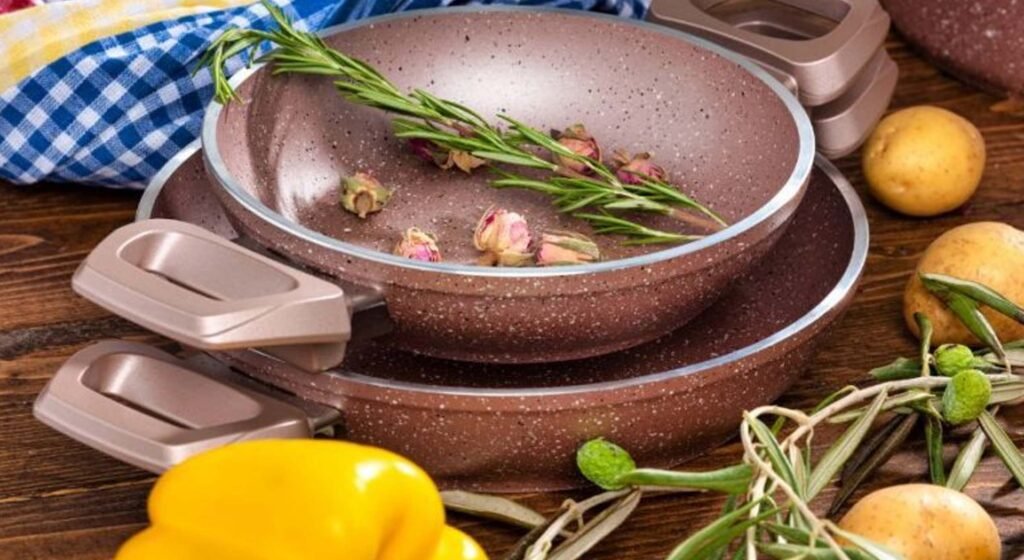
| Granite / Stone-Derived | Stylish, often PFOA-free, and designed for modern kitchens. | Smooth non-stick surface; scratch-resistant versions available. | “Granite” terminology differs | Buy from brands with independent safety tests and transparent material disclosure. |
Choosing the Right Non-Toxic Cookware
Now that you’ve considered ceramic cookware, it’s time to think about what else is out there. You’re looking for kitchen essentials that align with your cooking techniques and priorities. When choosing the right non-toxic cookware, you should consider the materials, durability, and versatility. Think about the types of dishes you cook most often and the cooking techniques you use. Do you need cookware that’s suitable for high-heat searing or gentle simmering? Consider the size and shape of the cookware, as well as any special features you need, such as non-stick coatings or heat distribution. By evaluating these factors, you can find the perfect non-toxic cookware to enhance your cooking experience and make your kitchen a healthier space. You’ll be able to cook with confidence, knowing your cookware is safe and reliable.
Opting for non-toxic pots and pans is about putting your health, performance, and sustainability first. In the UAE’s 2025 market, In the UAE’s 2025 cookware market, Desear offers a wide range of eco-friendly cookware which are durable stainless steel, ceramic, and cast iron cookware options.
Discover the benefits of ceramic cookware, verify PFAS/PFOA-free labels, and maintain your cookware with care because at Desear, we believe every healthy meal starts with the right cookware.
Frequently Asked Questions
1- Is Non-Stick Cookware Completely Non-Toxic?
You’ll find non-stick cookware isn’t completely non-toxic, as it can release toxic materials during chemical reactions, posing health risks when you cook at high temperatures.
2- Can I Use Metal Utensils With Ceramic Cookware?
You can’t use metal utensils with ceramic cookware, as it compromises ceramic safety, but you’ll find some options with metal compatibility, so always check the manufacturer’s guidelines.
3- How to Clean Non-Toxic Cookware Properly?
You’re using gentle cleaning methods, avoiding abrasive materials, and adapting cooking techniques to maintain non-toxic cookware’s quality, ensuring it lasts and remains safe for you.
4- Is Non-Toxic Cookware More Expensive Always?
You’ll find that non-toxic cookware isn’t always more expensive, consider your budget concerns and do a cost comparison to find affordable options that fit your needs.