Cast Iron Cookware for Beginners: Benefits, Seasoning & Cooking Tips
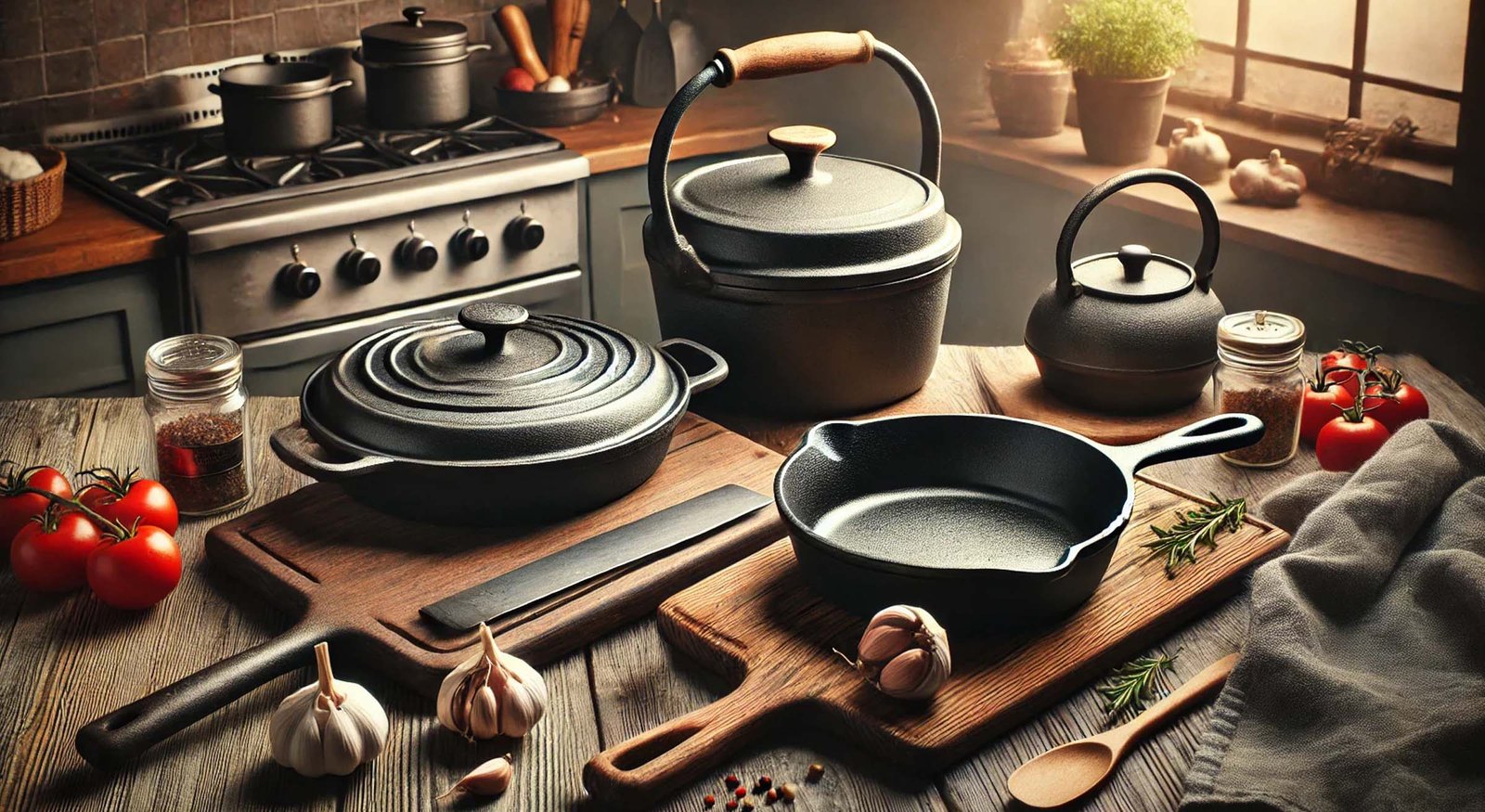
When it comes to timeless kitchen essentials, cast iron cookware stands as a symbol of durability, flavor, and tradition. For UAE home cooks who are looking to elevate their cooking game, this guide walks you through everything you need to know about cast iron pans UAE from their benefits and seasoning process to care tips and the best ways to use them on modern stoves.
Why Choose Cast Iron Cookware?
A cast iron pan isn’t just another cooking tool, it’s an heirloom in the making. Known for its incredible heat retention and natural nonstick properties, cast iron delivers flavors that other materials simply can’t match. Whether you’re searing steaks, baking bread, or slow-cooking curries, this cookware brings out rich, deep tastes every time.
For UAE kitchens, where hearty, flavorful meals are a daily delight, cast iron cookware offers unmatched versatility. It’s perfect for both stovetop and oven cooking, and with the right care, it can last a lifetime.
The Benefits of Cooking with Cast Iron
Natural Nonstick Surface:
When properly seasoned, cast iron forms a smooth, naturally nonstick surface that improves with use.
Superior Heat Retention:
Cast iron holds and distributes heat evenly which makes it ideal for searing, frying, and slow-cooked dishes.
Built to Last:
With proper maintenance, cast iron pans can last for generations, making them a sustainable and cost-effective choice.
One of the Safest Cookware Materials:
Free from synthetic coatings or harmful chemicals, cast iron is considered one of the safest cookware materials for daily use in UAE homes.
Enamel Cast Iron vs Bare Cast Iron
Both types of cast iron cookware have their strengths, and the right choice depends on your cooking style:
| Type | Advantages | Best For |
| Enamel Cast Iron | Easy to clean, no seasoning needed, resists rust | Everyday use, acidic dishes like tomato sauces |
| Bare Cast Iron | Builds natural seasoning, superior heat retention | High-heat searing, frying, baking |
Is Cast Iron Cookware Induction-Compatible?
Yes! Most cast iron skillets in UAE are naturally induction-friendly, due to their magnetic properties. Whether you use gas, electric, or induction stoves, cast iron adapts effortlessly.
When using induction, just be mindful of the weight, always lift, don’t slide, to protect both the pan and the cooktop surface.
Care Tips for Your Cast Iron Cookware
Proper care is key to keeping your cast iron pans in top shape for decades. Follow these golden rules:
- Avoid Soap: A quick rinse with warm water is enough; soap can strip the seasoning.
- Dry Thoroughly: Moisture causes rust, so always dry completely after cleaning.
- Oil After Each Use: Apply a thin layer of oil before storing to maintain the nonstick surface.
- Handle Rust Quickly: If rust appears, scrub gently with steel wool, re-season, and you’re good to go.
- Store in a Dry Place: Stack carefully or hang your pans to prevent scratching.
Why Cast Iron Cookware Belongs in Every UAE Home
In a world filled with coated, synthetic options, cast iron cookware stands out for its simplicity, safety, and strength. It’s the safest cookware material for anyone who values long-lasting quality and natural cooking.
At Desear, we craft cast iron pans and skillets that combine heritage craftsmanship with modern usability.
Frequently Asked Questions
1. Is cast iron cookware safe to use daily?
Yes, it’s one of the safest cookware materials, free from PFOA, PFAS, and other chemicals.
2. Do I need to season enamel cast iron?
No, enamel coatings don’t require seasoning, but bare cast iron does for best performance.
3. Can I use cast iron on induction stoves?
Absolutely! Cast iron is naturally magnetic and works great on induction cooktops.
4. What’s the difference between a cast iron pan and a skillet?
They’re essentially the same, “skillet” is another term for a frying pan with slightly sloped sides.